

Medusa Offerings: Respectful Ways to Work With Med
Medusa offerings at a glance
There is no single surviving ancient list of offerings specifically prescribed for Medusa. The following are respectful modern devotional choices inspired by her mythology, sea-linked family and protective imagery:
- Fresh water, sea salt or a responsibly collected seashell
- A white, black or deep green candle
- Olive oil, wine or fresh flowers in a small, manageable amount
- Snake imagery, a protective amulet or an image of the gorgoneion
- A written promise to defend your boundaries or speak truthfully
- Acts of self-respect, protection and support for people rebuilding their voice
Medusa has become a powerful figure for people exploring protection, boundaries, transformation and the reclaiming of a misunderstood identity. Before creating an altar or giving an offering, however, it helps to separate what ancient sources actually say from modern devotional interpretations.
This guide preserves that distinction. It introduces Medusa's mythology and historical protective symbolism, then offers a simple modern practice for readers who feel drawn to work with her respectfully.
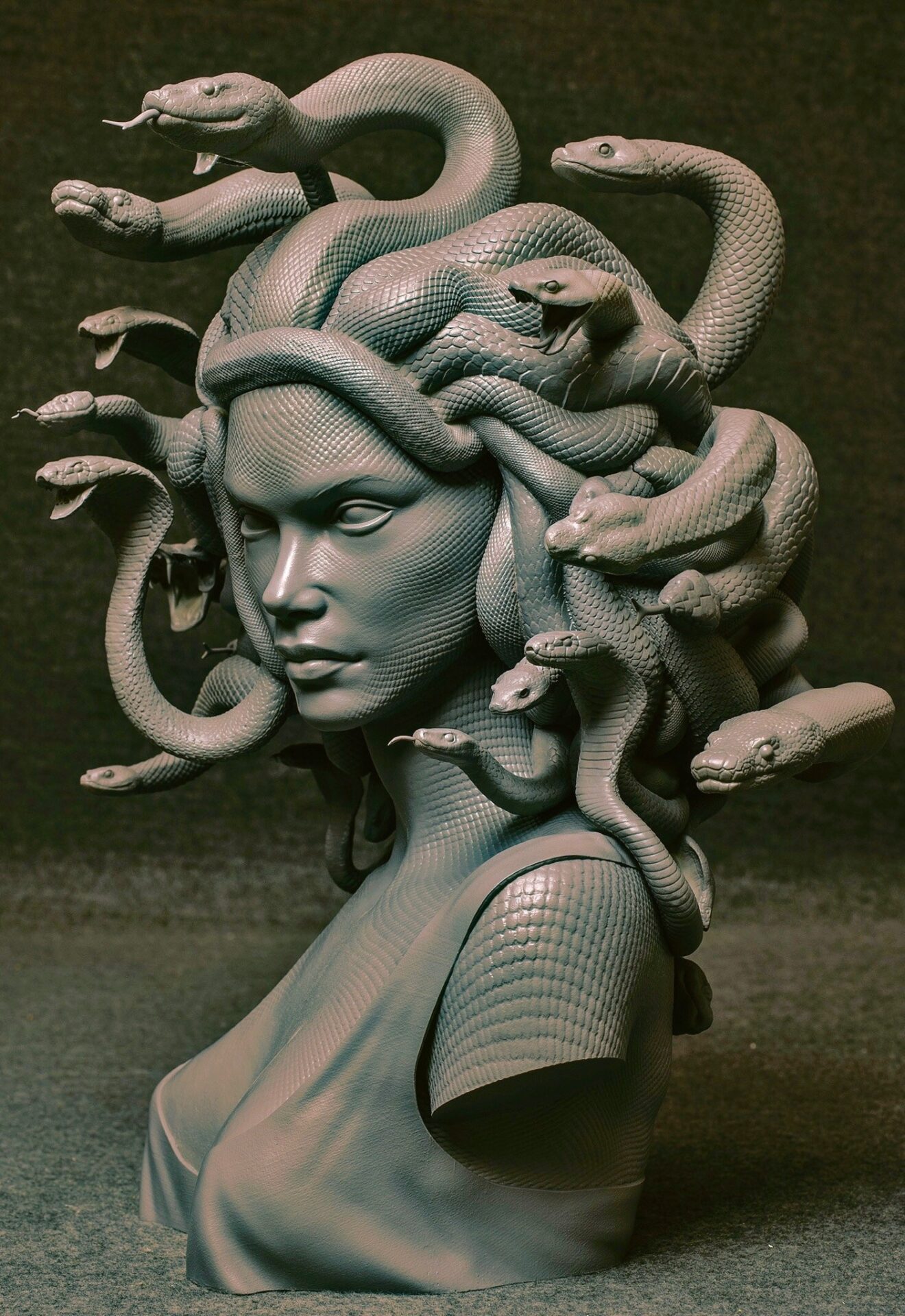

Who is Medusa in ancient mythology?
Medusa's story changes across centuries and authors. In Hesiod's Theogony, she is one of three Gorgon sisters born to the sea deities Phorcys and Ceto. Unlike Stheno and Euryale, Medusa is mortal. Perseus beheads her, and Pegasus and Chrysaor emerge after her death.
You can read the relevant section of Hesiod's Theogony through Harvard's Center for Hellenic Studies.
The familiar account in which Medusa's appearance is transformed after an encounter with Neptune in Minerva's temple comes from the Roman poet Ovid, writing much later than Hesiod. It should not be treated as the only or earliest version. The Perseus Digital Library provides Ovid's Metamorphoses, Book 4 for comparison.
Was Medusa worshipped as a goddess?
Ancient literary sources normally present Medusa as a Gorgon rather than an Olympian goddess with a clearly documented public cult. Modern practitioners may nevertheless honour her as a deity, spirit, archetype or protective presence. That is a contemporary devotional choice and should be described honestly as such.
Why is Medusa associated with protection?
The protective connection has a strong historical foundation in visual culture. The gorgoneion—the frontal head or face of a Gorgon—appeared on shields, armour, buildings, vessels and personal objects. Scholars often describe this use as apotropaic: intended to turn away danger or harmful influence.
The Metropolitan Museum of Art's essay on Medusa in ancient Greek art explains how the gorgoneion functioned as a protective motif and changed in appearance over time.
This documented use makes protection, boundary-setting and courage understandable themes for a modern Medusa practice. It does not prove that every modern offering or ritual was used in antiquity.
Start with grounding, not urgency
If you are new to devotional practice, begin with a short, simple ritual and record what the symbolism means to you. You do not need an elaborate altar or expensive materials.
Simple Rituals for Beginners Gentle Circle-Casting GuideModern Medusa offerings and their meanings
Fresh water
A simple offering associated with clarity, emotional movement and Medusa's sea-linked ancestry.
Sea salt
A modern symbol of cleansing and boundaries. Use only a small amount and dispose of it responsibly.
Seashells
A symbolic connection to the sea. Use shells you already own or collect only where local rules permit.
Olive oil or wine
Offer a small amount if this fits your practice. Never leave food or liquid where it could harm wildlife or damage a public place.
Fresh flowers
Choose white, dark red or locally available flowers. The meaning you give them matters more than rarity or expense.
Snake symbolism
A drawing, jewellery item or figurine can represent renewal, vigilance and the shedding of an old identity.
Protective artwork
An image of the gorgoneion can connect a modern altar to Medusa's documented protective role in ancient art.
A written commitment
Write one boundary you will uphold or one truthful action you will take. This turns symbolism into grounded behaviour.
Offerings do not need to be expensive
A spiritual practice should not create waste, financial strain or danger. Avoid rare animal materials, shed snake skin of uncertain origin, toxic plants and anything illegally collected. Never leave candles unattended or place salt, alcohol, wax or non-biodegradable objects outdoors.
Symbols associated with Medusa
Serpents and shedding
Snakes are central to later visual representations of Medusa. In a modern practice, shedding skin can become a symbol for releasing identities imposed by others and growing into stronger personal boundaries.
The direct gaze
The gorgoneion frequently faces the viewer directly. Rather than treating this only as a supernatural weapon, modern devotees may use the gaze as a reminder not to look away from difficult truths.
The sea
Hesiod places the Gorgons within a sea-connected genealogy. Water, shells and salt are therefore understandable modern associations, although this does not establish a historical offering tradition.
Protection and thresholds
Because gorgoneia appeared on armour and architecture, Medusa imagery can be used today near an altar, doorway or journal as a personal reminder of protection and discernment.
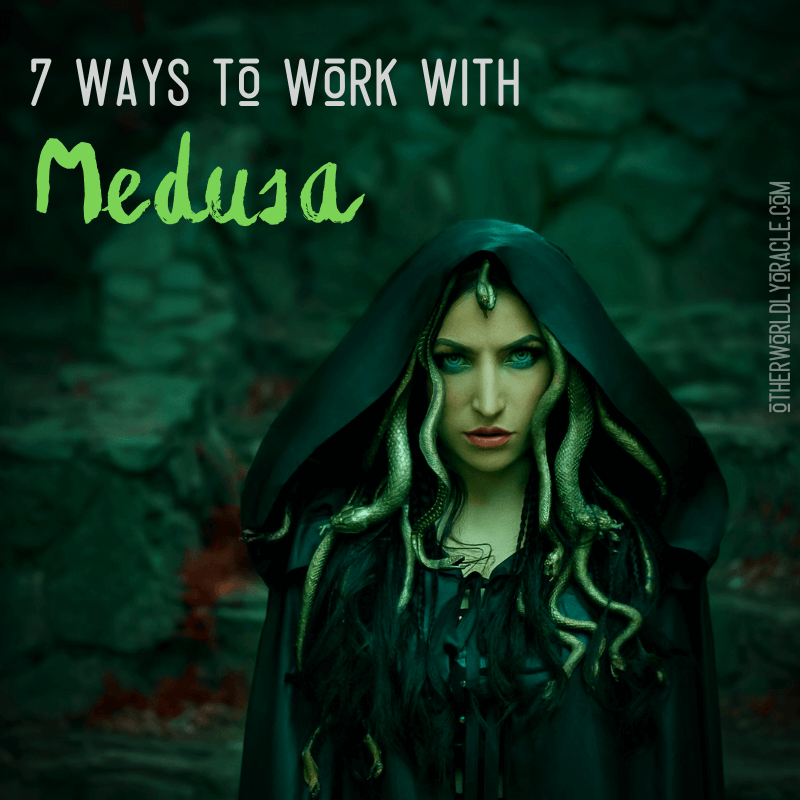
Herbs and crystals in a modern Medusa practice
No crystal or herb is required, and ancient sources do not provide a canonical Medusa correspondence list. If you enjoy modern symbolic practice, choose accessible materials according to meaning rather than claims of guaranteed power.
- Serpentine: selected for its name and snake-like visual associations.
- Tiger's eye: commonly used in modern crystal practice as a symbol of courage and watchfulness.
- Black tourmaline: frequently associated by contemporary practitioners with grounding and boundaries.
- Rosemary: an accessible aromatic herb that may represent remembrance and clarity.
- Lavender: often chosen for calm reflection and emotional steadiness.
Do not drink or burn unfamiliar herbs simply because a spiritual list recommends them. Some plants interact with medication, are unsafe during pregnancy or produce irritating smoke. Displaying a small labelled jar or using an illustration is enough.

How to create a simple Medusa altar
- Choose a stable surface. A small shelf or tray is enough. Keep it away from children, pets and anything flammable.
- Add a central image. Use Medusa artwork, a printed gorgoneion or a snake symbol that you have permission to use.
- Select one offering. Fresh water, a flower or a small shell is sufficient.
- Add a protective reminder. This might be a stone, piece of jewellery or written boundary.
- Use a candle only if safe. An LED candle is a perfectly acceptable alternative.
- Keep the space clean. Replace water and flowers regularly and remove anything spoiled or dusty.
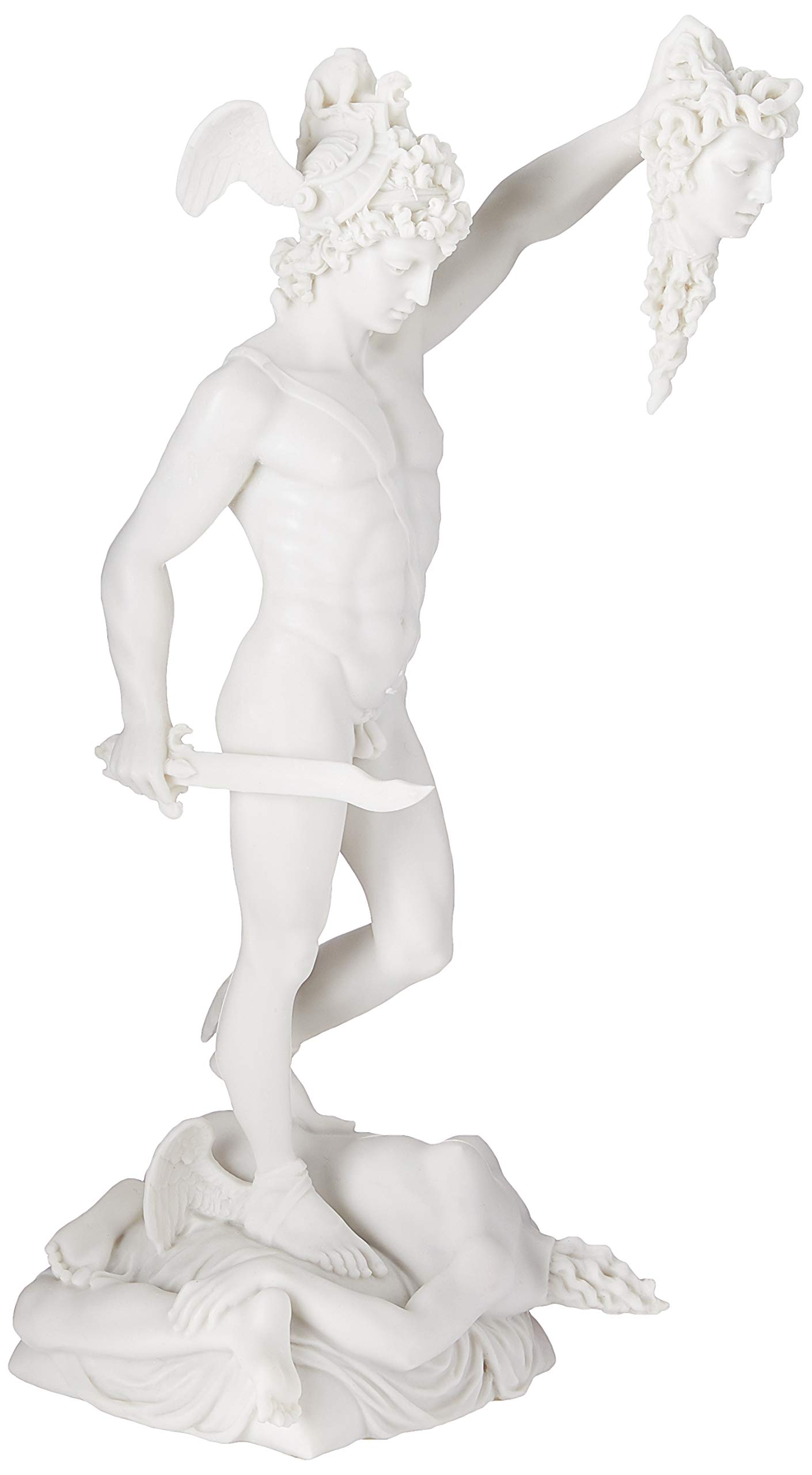
A beginner-friendly Medusa offering ritual
1. Set a grounded intention
Choose protection, courage, truth or stronger boundaries. Keep the intention focused on your own actions rather than controlling someone else.
2. Prepare the space
Place a bowl or glass of fresh water beside your Medusa image. Add one flower, shell or stone if desired.
3. Acknowledge the history
Remember Medusa as the mortal Gorgon of early literature and the enduring protective face of ancient art. Allow modern meanings to sit beside—not replace—that history.
4. Speak your invocation
Read the original invocation below or write your own. Speak slowly and without demanding a sign.
5. Sit in reflection
Spend five minutes considering one boundary you need to reinforce and one action that would support it.
6. Close and act
Offer thanks, extinguish the candle safely and carry out the practical action you identified. Replace the water later that day.
An original modern invocation to Medusa
This invocation was written for this article. It is not presented as an ancient Greek prayer.
Medusa, enduring guardian and unflinching gaze,
teach me to face what I have avoided.
Help me recognise the boundary that protects
without hardening my heart.
Help me release the name or story
that no longer belongs to me.
May courage guide my voice,
discernment guide my choices,
and truth guide my next step.
I offer this moment of attention with respect.
May reflection become responsible action.
Dreams, signs and discernment
A dream involving snakes, stone, the sea or Medusa can feel personally significant, but it does not automatically prove that a deity is contacting you. Dreams also reflect memory, stress, media, emotions and ordinary symbolism.
Write down what happened, how you felt and what was occurring in your life. Look for a useful ethical insight rather than trying to force certainty. If dreams or spiritual experiences become frightening, disruptive or difficult to distinguish from waking events, pause the practice and speak with a qualified healthcare professional.
Can Medusa practice be combined with love magic?
Ancient sources do not document Medusa as a patron of modern love-spell work. If a contemporary practitioner combines these themes, the connection should be treated as personal symbolism. The most relevant Medusa-inspired questions would concern boundaries, self-respect, truth and protection—not forcing another person's emotions.
Before choosing any relationship-focused ritual, read Ethical Love Spells and How to Choose an Ethical Spell Caster.
About modern deity work
There is no single authority defining how every modern practitioner must relate to Medusa. Some approach her as a deity, some as a spirit, some as an archetype and others study her only as a mythological figure. State your approach honestly, respect other interpretations and avoid presenting personal experiences as historical facts.
Frequently asked questions about Medusa offerings
What offerings does Medusa like?
No ancient canonical list survives. Modern devotees commonly choose water, sea salt, shells, flowers, olive oil, wine, snake imagery or written commitments to personal boundaries. These are contemporary symbolic choices.
Is Medusa a goddess?
Ancient sources generally describe her as a mortal Gorgon rather than an Olympian goddess. Some modern practitioners honour her as a deity or spiritual presence, while others work with her symbolically.
Can beginners work with Medusa?
Beginners can study Medusa's myths and protective imagery and develop a simple reflective practice. Start with research, one small offering and clear safety boundaries.
What should be placed on a Medusa altar?
A central image, fresh water and one meaningful protective symbol are enough. Optional additions include a flower, shell, snake motif, stone or safely placed candle.
How do I dispose of an offering?
Pour plain water into a sink or onto a suitable plant, compost untreated flowers where possible and clean reusable objects. Do not leave salt, alcohol, wax, glass or non-biodegradable items outdoors.
How do I know whether Medusa accepted an offering?
There is no objective test. Notice whether the practice supports reflection and responsible action without demanding dreams, coincidences or unusual experiences as proof.
Would you like private spiritual guidance?
If your concern involves protection, emotional healing or a relationship, you can contact Belinda before ordering. Ask questions, read the complete service description and avoid any choice made from fear or urgency.
Ask Belinda a Question Browse Love Ritual ServicesImportant: This article distinguishes ancient evidence from modern devotional practice. Spiritual rituals are matters of personal belief and are not substitutes for medical, mental-health, legal, financial or relationship counselling. Use candles, herbs and outdoor offerings safely and responsibly.