

Tarot Tips for Every Level: Choosing the Right Deck for You
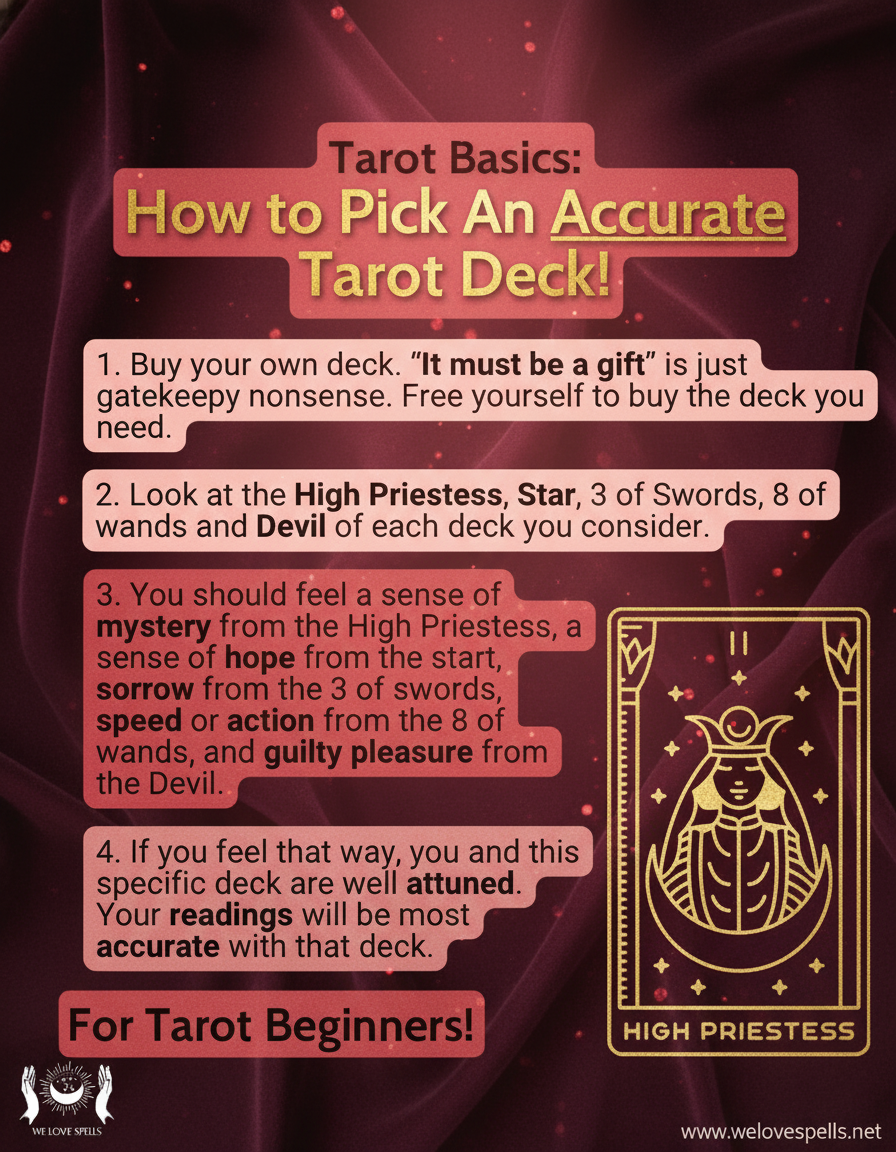
Have you ever felt called to pick up a tarot deck—but hesitated, unsure which one was “the right” deck for you? You’re not alone. Whether you’re a beginner drawn to the beauty of tarot imagery or an experienced reader seeking a deck that deepens your intuition, choosing the right tarot cards can shape your entire spiritual journey. After over two decades of personal reading, I’ve gathered tried-and-true insights to help you connect with the deck that truly speaks to your energy and purpose.
Finding Your Tarot Deck: Tips for Every Level
Tarot isn’t just about memorizing meanings—it’s about building a relationship with your cards. Each deck has its own voice, symbolism, and vibration that resonates differently with every reader. Understanding where you are in your tarot journey is the first step to choosing the perfect companion for your readings.
🟢 Tarot Tips for Beginners: Start Your Journey Confidently
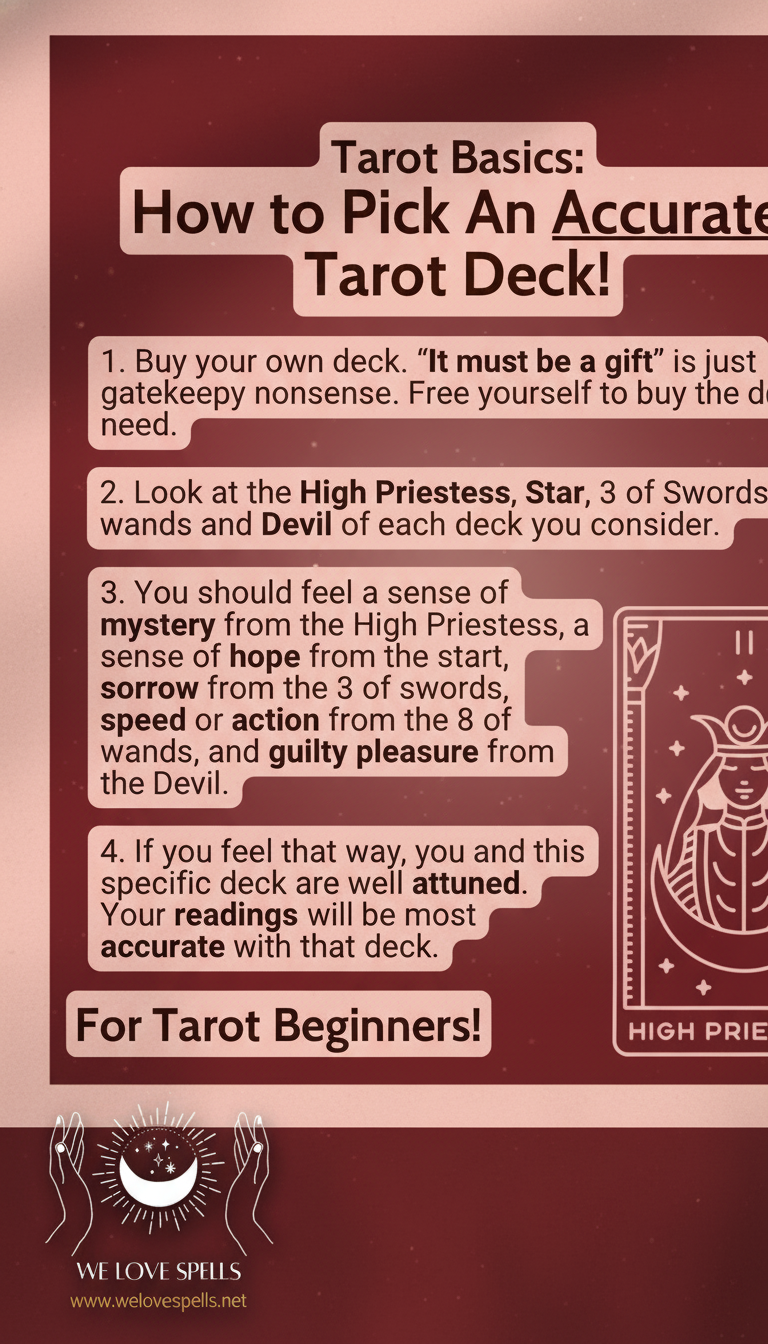
Let’s bust one of the biggest tarot myths right away: your first deck doesn’t have to be a gift. You absolutely can (and should!) gift yourself a tarot deck. After all, what better way to celebrate your spiritual curiosity than to give yourself a tool that helps you connect with your intuition?
When you’re choosing your first deck, follow these guidance points:
- Choose imagery that calls to you. Don't worry about the artist, brand, or tradition. Look for artwork that stirs something inside you.
- Start with a traditional structure. Decks like those inspired by the Rider-Waite-Smith are excellent for learning the basics.
- Hold and shuffle the deck if possible. Feel the energy. Does it spark excitement or feel comforting? That’s a sign it may be a good match.
- Keep it simple. You don’t need multiple decks right away. One well-loved deck is enough to build your foundation.
Your first tarot deck is an introduction, not a test. Let intuition guide your hand—not fear or superstition.
Want to elevate your readings from day one? Consider pairing your tarot practice with a Third Eye Awakening Intuition Boost Spell from We Love Spells. It’s an empowering way to open your spiritual insight as you learn to hear the language of the cards.
🔵 Tarot Tips for Intermediate Readers: Build Confidence and Depth
If you’ve been reading for a while, but still second-guess your interpretations, you’re likely much more advanced than you think. At this stage, it’s about deepening trust in your intuition and recognizing the symbols that resonate through every reading.
Consider these steps to strengthen your practice:
- Expand symbol recognition. Study color meanings, numerology, or astrological correspondences in your favorite deck.
- Journal your readings. Track recurring cards and patterns. They’ll show you how your intuition has evolved.
- Play with new spreads. Move beyond daily draws. Try Celtic Cross or relationship spreads for variety and challenge.
- Rotate decks. If one starts to feel stagnant, swap it for another with a fresh design or energy.
Feeling stalled? You may want to energetically reset your connection using a Cleansing Spell to remove old energetic residue before beginning with a new deck. A refreshed psychic space improves clarity in every shuffle.
🟣 Tarot Tips for Advanced Readers: Push Past Plateaus
Once you’ve been reading for years, you already know that the tarot’s depths are infinite. But sometimes, even the most seasoned readers hit a plateau—a point where the same meanings and patterns appear, and intuition feels quiet.
When this happens, deliberately disrupt your comfort zone:
- Use a deck with a completely different system. Move from Rider-Waite to Thoth, or explore oracle cards and Lenormand decks for contrast.
- Discard your usual reading habits. Try intuitive, no-spread readings or interpret entirely from visual symbolism rather than memorized meanings.
- Work in silence. Remove guidebooks, apps, and notes. Sit with the cards and let them speak in new ways.
The deeper challenge here is learning to listen differently—to symbols, shapes, and instincts rather than structured meanings. It transforms your connection with spirit.
If you find that emotional or spiritual blockages are holding you back, use a Soul Tie Release spell to clear lingering energy ties. or an Uncrossing Hex Breaker Spell to remove anything interfering with your intuitive balance.
How to Connect With Your Tarot Deck
1. Cleanse and Consecrate
After you bring a new deck home, spend time charging it with your own energy. You can:
- Place it under moonlight or sunlight.
- Use incense or sound cleansing.
- Hold it in your hands and visualize white light surrounding it.
For an even deeper spiritual alignment, a Cleansing Spell can prepare your energy and space for pure, accurate readings.
2. Daily Draws and Reflection
Pull one card every morning. Ask what lesson you need for the day and record your impressions before checking interpretations. Over time, you’ll begin to see patterns of guidance unfolding naturally.
3. Build a Relationship
Your tarot deck is more than paper and ink—it’s a mirror for your inner world. Spend time with it like an old friend. Shuffle while thinking of an intention, or meditate with your favorite card to draw its meaning closer.
Common Tarot Deck Mistakes (and How to Avoid Them)
Many readers—especially as they grow—make subtle mistakes that distance them from their deck’s voice. Here are ways to stay attuned:
- Don’t chase trends. Popular decks aren’t always right for your energy.
- Don’t ignore energetics. Cleansing is crucial, especially after intense or emotional readings.
- Don’t collect for ego. Collect because of connection, not completion.
- Don’t neglect your intuition. The best reading comes from listening to your gut, not guessing what the card “should” mean.
Strengthen Your Connection: Combine Tarot with Energetic Support
Remember, tarot connects the mind, body, and spirit. Whether you want to strengthen intuition, release emotional pain, or realign spiritually, certain energetic spells can amplify your practice. Explore these curated options at We Love Spells:
- Third Eye Awakening Spell — unlock intuitive wisdom.
- Cleansing Spell — clear stagnant energies before readings.
- Prophetic Dreaming Spell — receive guidance from dreams.
- Divine Timing Alignment Spell — harmonize your readings with universal flow.
Final Thoughts: Your Deck, Your Journey
Whether you’re just beginning your tarot journey or have decades of experience, the right deck is one that reflects you. There’s no rulebook more powerful than your intuition. Start where you are, trust what calls to you, and honor the lessons every card reveals. Remember—tarot isn’t about fortune-telling; it’s about self-discovery.
Are you ready to deepen your connection with your cards and your inner self? Browse the powerful collection of spells designed to support intuition, healing, and spiritual growth at We Love Spells today. Your next breakthrough could be just one shuffle—or spell—away.
🟢🔵🟣 Are you a reader? Do you have any personal tips or favorite decks? Share your wisdom in the comments below! 🟢🔵🟣
Understanding the Different Types of Tarot Decks
When delving into the world of tarot, it’s essential to recognize that tarot decks come in various types beyond the commonly used Rider-Waite-Smith. Each type carries unique symbolism and structures, which can significantly influence your interpretations. Here are some of the primary types of tarot decks:
- Rider-Waite-Smith (RWS): This is the most popular and widely used deck, known for its rich symbolism and ease of interpretation. It’s an excellent choice for both beginners and experienced readers due to its standardized imagery.
- Thoth Deck: Created by Aleister Crowley and artist Lady Frieda Harris, the Thoth deck is known for its esoteric symbolism and deep astrological connections. It's ideal for those interested in a more complex and philosophical approach to tarot.
- Marseille Deck: This traditional deck has been used since the 16th century. It features distinct and straightforward imagery, making it a preferred choice for those who appreciate historical decks.
- Oracle Cards: While not strictly tarot, oracle cards use a different system and can complement tarot readings by providing additional insights or focusing on specific themes like love, healing, or personal growth.
- Lenormand Deck: Another non-tarot but closely related system, Lenormand cards offer precise and straightforward readings, often focusing on everyday matters.
Choosing the right type of tarot deck can enhance your readings by aligning with your personal interests and spiritual inclinations.
How to Store and Care for Your Tarot Deck
Maintaining the energy and physical condition of your tarot deck is crucial for accurate and resonant readings. Here are some tips on how to care for your deck:
- Keep it Protected: Store your deck in a special box, cloth, or bag to protect it from dust, dirt, and physical damage. Natural fabrics like silk or cotton are ideal for wrapping your cards.
- Cleanse Regularly: Besides the initial cleansing, make it a practice to cleanse your deck regularly, especially after heavy readings or when you feel its energy is off. Methods include using sage, crystals, or moonlight.
- Avoid Moisture and Direct Sunlight: Keep your deck away from moisture and direct sunlight to prevent warping and fading of the cards.
- Respect Your Deck: Treat your deck with respect. Some readers like to knock on their deck to clear previous energy before a new reading or to thank their deck after a session.
Building a Consistent Practice
To truly excel in tarot, consistency is key. Establishing a regular practice not only builds your skill but also strengthens your intuitive connection. Here’s how you can incorporate tarot into your daily routine:
- Daily Draw: Commit to drawing a single card each day. Reflect on its meaning and how it may apply to your daily life. This simple practice can deepen your understanding of each card's nuances.
- Regular Reading Sessions: Set aside specific times for more in-depth readings. This can be weekly, bi-weekly, or monthly, depending on your schedule and interest.
- Tarot Journaling: Keep a tarot journal to document your daily draws, significant readings, and any patterns you notice. Writing down your interpretations can help solidify your learning and track your progress.
- Meditation and Visualization: Meditate on specific cards or visualizations related to them to deepen your intuitive understanding and connection with your deck.
How to Incorporate Tarot into Personal Development
Tarot can be a powerful tool for personal growth and self-reflection. Here are ways to incorporate tarot into your personal development journey:
- Goal Setting: Use tarot to set personal goals. Draw cards to gain insights into your strengths and challenges, and use this knowledge to set realistic, achievable goals.
- Decision Making: When faced with choices, use tarot to explore potential outcomes and clarify your thoughts. This can help you make more informed and confident decisions.
- Inner Work: Use tarot for shadow work and inner healing. Cards can reveal hidden aspects of your psyche and provide guidance on how to address them.
- Creative Inspiration: Utilize tarot to spark creativity and overcome blocks. Drawing a card can provide a fresh perspective or new ideas for artistic projects.
Additional Resources
Expanding your knowledge and skills in tarot can be supported by various resources available both online and offline. Here are some recommendations:
- Books: Comprehensive guides like "Seventy-Eight Degrees of Wisdom" by Rachel Pollack or "The Ultimate Guide to Tarot" by Liz Dean are excellent starting points.
- Online Courses: Websites like Udemy, Coursera, and The Tarot School offer structured courses that can deepen your understanding and practice.
- Communities: Joining tarot forums, social media groups, or local meetups can connect you with other tarot enthusiasts for shared learning and support.
- Tarot Applications: Apps like Labyrinthos, Golden Thread Tarot, or the official Rider-Waite Tarot app provide digital tools for learning and practicing on-the-go.