
How to Politely Ask Someone to Stop Visiting Without Awkwardness
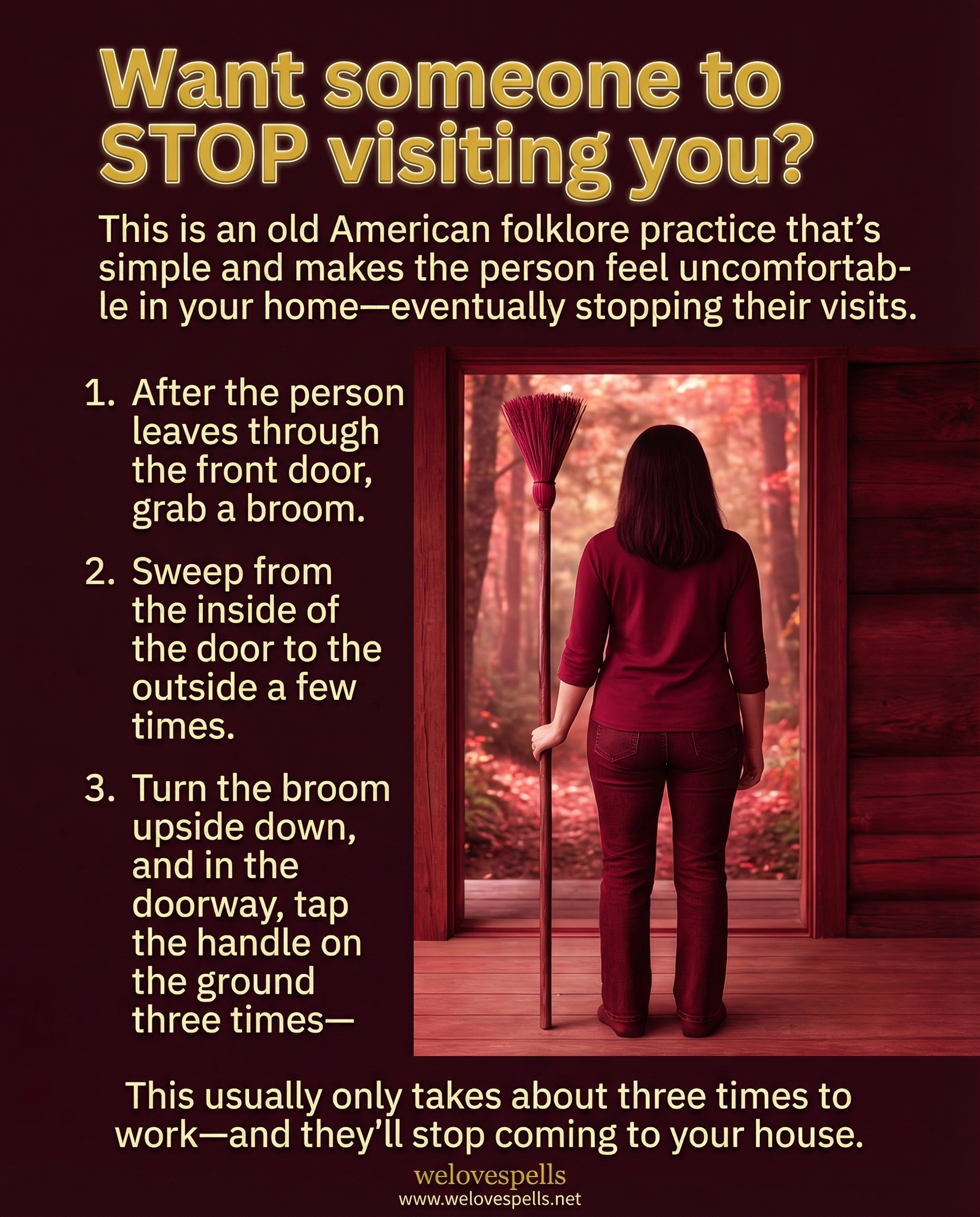
How to Politely Ask Someone to Stop Visiting Without Awkwardness
Have you ever found yourself wishing someone would stop coming over so often—but you’re terrified of sounding rude or unkind? You’re not alone. Many of us struggle with setting boundaries, especially when it comes to friends, neighbors, or relatives who may overstay their welcome. But learning how to politely ask someone to stop visiting without awkwardness can be the key to preserving your peace of mind and maintaining a healthy relationship.
In this post, we’ll walk you through practical, compassionate ways to handle the situation gracefully. You’ll find scripts, emotional strategies, and even a few gentle energetic solutions to help you reclaim your personal space with confidence and kindness.
Why Setting Boundaries Is Essential for Emotional Well-Being
Setting boundaries isn’t about pushing people away—it’s about protecting your energy and keeping relationships balanced. When visits become too frequent or intrusive, it can lead to:
- Fatigue and emotional overwhelm
- Loss of privacy and personal space
- Resentment or frustration building over time
- Unintentional emotional distance in the relationship
Your home is your sanctuary. It’s perfectly okay to want time to yourself. Just as love requires attention, respect requires boundaries.
Sometimes, if emotional energy feels cluttered, a Cleansing Spell can help rebalance vibrations, creating calm energy for clear conversations.
Steps to Politely Ask Someone to Stop Visiting So Often
1. Know Your Own Needs Clearly
Before you start the conversation, reflect on what’s bothering you exactly. Is it their frequency of visits? The lack of notice? Or the length of time they stay?
Knowing what’s truly affecting you will help you express yourself calmly and specifically. Journaling or even meditating on it can help you find clarity and compassion before speaking.
2. Choose a Calm Moment for the Conversation
Avoid bringing it up when you’re already frustrated or during an emotional moment. Instead, find a time when you can both relax and talk in peace. You might say something like:
“Hey, I wanted to talk to you about something small that’s been on my mind. I really value our time together, but lately I’ve been needing a little more downtime at home.”
This approach softens the message without diluting your boundary. It communicates care and honesty simultaneously.
3. Use “I” Statements to Keep It Kind and Personal
Using “I” statements keeps your request focused on your feelings rather than the other person’s behavior. This makes your message less defensive. For example:
- Instead of: “You’re always coming over without calling!”
- Try: “I’ve been feeling a bit overwhelmed when people stop by unexpectedly. It helps me relax when I have some notice first.”
This shift in language instantly changes the tone from accusation to vulnerability—and vulnerability builds trust.
4. Offer Alternatives to Maintain Connection
If you still care about the relationship, offer alternatives that respect your boundaries but allow continued contact. You might say:
“I really enjoy catching up, but weekends are my recharge time. How about we plan a coffee meet-up once a week instead?”
This gives structure to your relationship and shows that you’re not cutting them off—you’re simply redirecting how your time together looks.
5. Stay Firm Yet Compassionate
Some people may not take hints easily, especially if they rely on you emotionally. That’s when firmness and consistency matter most. You don’t have to justify your boundary repeatedly. A simple, compassionate reminder works wonders. Keep your tone calm, your body language relaxed, and your heart sincere.
If negative energy lingers after setting your boundary, consider a Remove Toxic People Spell or the Banish Them, Vanish Them Spell from We Love Spells to energetically reinforce your personal peace.

Common Mistakes to Avoid When Asking Someone to Stop Visiting
Even with the best intentions, it’s easy to slip into overly apologetic or defensive communication. Here’s what to avoid:
- Over-explaining your reasons: You don’t owe an exhaustive rationale for your boundaries.
- Being vague: Don’t use unclear language—polite doesn’t mean indirect. Say what you mean gently, but clearly.
- Taking too long to bring it up: Waiting too long leads to built-up resentment that makes the talk harder.
- Using guilt or emotional manipulation: Stick to honesty. Avoid “If you really cared, you’d…” statements.
Energy Protection and Emotional Healing While Setting Boundaries
When we change dynamics in relationships, energy often shifts. It’s normal to feel uneasy or guilty after asserting boundaries. To support this transition, consider balancing both emotional and spiritual self-care:
- Light a candle with intention before having difficult talks.
- Take salt baths or use sage to cleanse your space afterward.
- Reconnect with your goals and remind yourself why boundaries are acts of self-love.
If you sense lingering emotional ties or guilt, the Cord Cutting Spell or Emotional Detachment Spell can help clear emotional attachments that no longer serve you.
Polite Phrases You Can Use to Create Space Gracefully
Here are some ready-to-use examples of polite yet firm declarations that gently communicate your boundary:
- “I love spending time together, but I’ve realized I need more solo time lately.”
- “I’ve got a lot going on these days, so I’ll need to take a break from hosting visitors.”
- “Let’s schedule our visits so I can be more present when we hang out.”
- “I’ve been focusing on my personal projects—let’s catch up over brunch soon instead of unplanned visits.”
It’s not what you say but how you say it—calm tone, open body language, and a smile go a long way in softening tough messages.
Turning Guilt Into Growth
It’s completely natural to feel guilty at first. We’ve been conditioned to associate boundaries with rejection. However, boundaries are love in action—they help relationships last longer with mutual respect intact.
Practicing forgiveness toward yourself and others can ease any tensions that arise. Consider a Forgive Me Spell or a Relationship Reset Spell to release guilt and emotional heaviness.
When Conversations Don’t Work
Sometimes, despite your best efforts, the person might ignore your boundary. In such cases, it’s crucial to protect your space by setting firmer limits—lock boundaries in place both practically and energetically. You might choose to:
- Reduce response times to messages politely but consistently
- Say no without lengthy explanations
- Protect your emotional well-being with spiritual reinforcement
Explore the Protection Spell or the Jealousy Shield for energetic defense if negative vibes linger after you create distance.
Final Thoughts: Peaceful Boundaries Build Loving Connections
Learning how to politely ask someone to stop visiting without awkwardness is ultimately about mastering emotional intelligence. It’s not just a social skill—it’s a spiritual one. You are reclaiming your serenity while respecting others’ feelings, and that’s a powerful act of self-love.
Remember: healthy boundaries show that you value both your energy and the relationship itself. People who truly care will honor your space—and those who don’t are showing you what level of access they deserve in your life.
Ready to Rebalance Your Relationships and Energy?
If you’re ready to energetically reinforce your boundaries and create more harmony in your relationships, explore our collection at We Love Spells. Whether it’s the Remove Toxic People Spell, Cleansing Spell, or Emotional Detachment Spell, each offering is designed to restore peace, confidence, and happiness in your daily life.
Take the peaceful path forward. Visit WeLoveSpells.net today and discover how balancing spiritual energy can make every boundary conversation easier, gentler, and more empowering.
🔴 Need Clarity on your Situation?

7 Powerful Herbs to Strengthen Your Spells and Amplify Your Magick

Instant Love Spells That Work Fast: Easy Rituals for Lasting Passion
